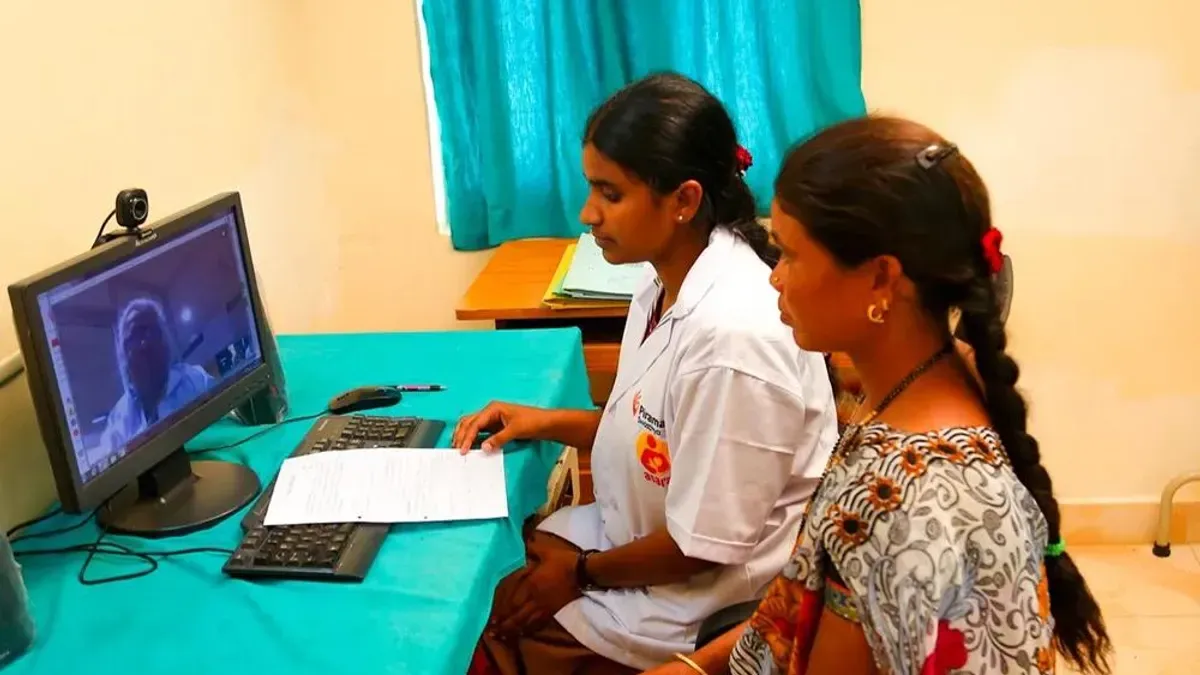





 Women’s Health
The business of women’s health: why this market deserves more attention
Women’s health is a $1 trillion opportunity. What the research says, why the market is underserved, and where businesses, founders and investors can start.

Key takeaways
- 1Women spend about 25% more of their lives in poor health than men, despite living longer (WEF and McKinsey Health Institute, 2024).
- 2Closing this gap could add at least $1 trillion a year to the global economy by 2040, and every $1 invested could return about $3.
- 3Research, data and awareness gaps have kept the market underserved, and they are also where the opportunities lie.
- 4Lasting businesses will solve real needs, earn trust, think across life stages, build sustainably and make health conversations normal.
In this article 9 parts
- 1Why this market deserves more attention
- 2The market opportunity is bigger than we think
- 3Why has this market been underserved?
- 4What smart businesses need to do differently
- 5Opportunities for entrepreneurs and investors
- 6Why businesses cannot afford to ignore women’s health
- 7Where should businesses start?
- 8The bigger picture
- 9Sources & further reading
Why this market deserves more attention
Women’s health is one of the world’s most significant yet underserved business opportunities.
For decades, several aspects of women’s healthcare have received insufficient attention, investment and innovation. From menstrual health and reproductive care to menopause and chronic conditions, millions of women continue to experience unmet healthcare needs.
But this is not just a healthcare issue. It is also an opportunity for businesses, entrepreneurs, investors and innovators. And the numbers make the case.
The market opportunity is bigger than we think
According to a 2024 report by the World Economic Forum and McKinsey Health Institute, women spend approximately 25% more of their lives in poor health than men, despite having longer life expectancies.
The report estimates that closing this health gap could contribute at least $1 trillion annually to the global economy by 2040. The research also suggests that every $1 invested in women’s health could generate approximately $3 in economic growth.
A 2025 follow-up report identified more than $500 billion in potential commercial market opportunities for new products and services addressing the selected women’s health conditions.
Why has this market been underserved?
Three structural challenges have contributed to the problem:
- The research gap: historically, medical research has often underrepresented women, limiting understanding of how certain conditions affect them differently.
- The data gap: insufficient sex-specific health data makes it difficult to understand the full burden of women’s health conditions, identify unmet needs and develop effective solutions.
- The awareness gap: menstruation, fertility, menopause and other aspects of women’s health have often been surrounded by social stigma, restricting conversations, awareness and access to appropriate products and services.
What smart businesses need to do differently
The next generation of women’s health businesses should focus on five important areas:
- Innovation around real needs: successful products should address genuine consumer problems rather than simply adapting existing products with different branding. Understanding women’s experiences must come before product development.
- Building consumer trust: healthcare and personal wellness products require transparency. Clear ingredient information, responsible claims, product quality and consistent performance are essential to long-term customer relationships.
- Thinking beyond individual life stages: women’s health is a lifelong journey. Puberty, menstruation, pregnancy, postpartum recovery, perimenopause and menopause all create different healthcare needs.
- Investing in sustainable solutions: in menstrual care, businesses must consider material selection, product safety, packaging and disposal. Environmental responsibility should be built into product development, not treated as a marketing statement.
- Making healthcare conversations normal: businesses that communicate openly, responsibly and without embarrassment can help consumers make better-informed decisions.
Opportunities for entrepreneurs and investors
Women’s health extends far beyond feminine hygiene products. Some important opportunity areas include:
- Menstrual health and hygiene
- PCOS and reproductive healthcare
- Maternal and postpartum care
- Menopause management
- Women’s nutrition and anaemia prevention
- Preventive healthcare and diagnostics
- Digital healthcare and accessibility
- Sustainable menstrual products
- Healthcare distribution and supply-chain infrastructure
Why businesses cannot afford to ignore women’s health
The consequences of overlooking women’s health extend beyond individual consumers.
- Workplaces experience productivity losses when healthcare needs go unsupported.
- Healthcare systems face greater challenges when conditions are diagnosed late.
- Businesses miss opportunities when they fail to understand underserved consumer segments.
- Investors may overlook promising innovations when they underestimate the commercial potential of women’s health.
Where should businesses start?
The approach is relatively straightforward:
- Founders: identify genuine problems and develop solutions around consumer needs.
- Investors: look beyond traditional healthcare categories and explore underserved markets.
- Business leaders: make women’s health part of workplace well-being and organisational strategy.
- Marketers: encourage informed conversations through clear and responsible communication.
- Manufacturers: prioritise quality, safety, innovation and sustainability.
The bigger picture
Women’s health should not be treated as a niche category or a temporary business trend. It deserves serious attention from the entire business ecosystem.
The companies that understand women’s needs, invest in meaningful innovation and build consumer trust have an opportunity to create lasting value.
Ultimately, the future of women’s health will not be shaped by awareness alone. It will be shaped by the businesses, institutions and innovators willing to turn unmet needs into meaningful solutions.
The question is no longer whether women’s health deserves greater attention. It is whether businesses are ready to recognise and act on the opportunity.
Sources & further reading
- Closing the Women’s Health Gap: A $1 Trillion Opportunity to Improve Lives and EconomiesWorld Economic Forum
- Closing the women’s health gap: a $1 trillion opportunity to improve lives and economiesMcKinsey Health Institute
- Blueprint to close the women’s health gap: how to improve lives and economies for allMcKinsey Health Institute
- Women’s health at Davos 2024World Economic Forum
This article is general information, not medical advice. For diagnosis or treatment, please speak to a qualified healthcare professional. In an emergency, call 112.